Leading up to its release, DC’s Clayface marketing promised plenty of grotesque body horror, a first for DC films. Given Clayface’s malleable, ever-shifting form, body horror seems like the right approach, and it doesn’t hold back.
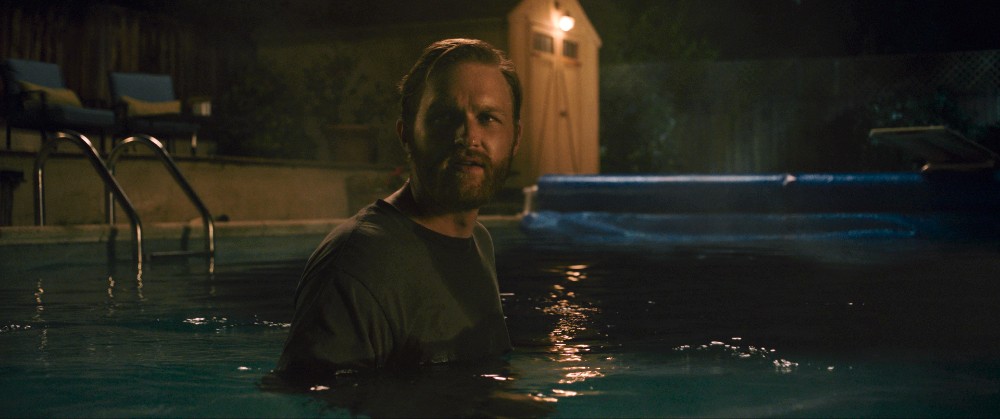
The story follows Matt Hagen (Tom Rhys Harries), an award-nominated actor who seems to have it all: looks, success, a promising career. It all came to a screeching halt when a mob boss with a personal vendetta came after him. Brutally mutilating his face, Matt undergoes extensive surgeries to reverse the damage. However, none were successful, and his once prolific career, along with any future job opportunities, began to slip away.
With nothing left to lose, Matt seeks out Dr. Caitlyn Corr (Naomi Ackie), who specializes in nanite research, as his last resort. Though hesitant at first, she eventually takes on Matt’s case, utilizing the nanites to heal and restructure his face. At first, the trials were successful. However, Matt’s unresolved internal trauma and vengeance begin to interfere with the nanites, causing his face to lose its shape and act out.
Concerned, Caitlyn warns Matt to stop the experience. Despite her protests, Matt decides to administer a large dose of nanites to his body to preserve his features. This decision has an effect neither of them could foresee: the nanites can heal any injury Matt sustains, and eventually even transform his face into someone else’s entirely.
Stricken by revenge, Matt uses this newfound ability to track down the mobster who disfigured him. Along the way, he discovers that the people he considered his most trusted friends may not have been as loyal as he once believed.

Clayface goes all in on body horror, and it’s not just melting faces and jump scares. As the nanites in Matt’s body become unstable, the film ventures into disturbing territory, with scenes of self-mutilation that are difficult to watch. Whether it’s a needle plunging deep into his face or a scalpel cutting into flesh, the camera doesn’t shy away from giving the audience an uncomfortably close look. These moments had me squirming in my seat throughout the film.
However, the horror extends beyond the physical. Clayface also explores how Matt is treated after he becomes disfigured. No longer useful to the people who once benefited from him, he’s discarded and left to fend for himself. There’s something particularly tragic about watching someone who has worked so hard to build a life and career lose everything in an instant.
It’s difficult not to sympathize with his pain, even as he makes one increasingly questionable decision after another. The movie does an excellent job of balancing our sympathy for Matt with the need to hold him accountable for his actions.
The pacing is mostly solid, though the first half adopts a more serious tone that occasionally makes you forget you’re watching a comic book movie. By the final act, however, everything comes together, and the film fully embraces the larger-than-life energy of a DCU film. A particular club scene stands out as one of my favorite moments, delivering a beautifully chaotic sequence that feels exactly the right vibe for a comic book adaptation.

Making Matt an actor who loses everything is a compelling foundation for a villain origin story. His thirst for revenge goes beyond vanity or the loss of his once-promising career. He’s also mourning the friendships and relationships he once thought he could count on. As his trust in others crumbles, Matt becomes consumed by the desire to hurt those he believes have wronged him. His pain is understandable, but the way he chooses to channel it is what ultimately makes his transformation so tragic.

The dynamic between Matt and Caitlyn is another intriguing aspect of the film. Their relationship hints at a deeper romantic connection, adding another layer to Matt’s emotional journey. As he discovers his new abilities, he begins to believe he’s untouchable and can do whatever it takes to get what he wants. Some of his grievances are understandable, while other actions are more difficult to justify. That is what makes Matt such a complex character. He’s not simply driven by revenge but is someone whose resentment gradually pushes him toward becoming something far more dangerous.
Overall, Clayface is a solid addition to the DCU that delivers the body horror its trailers promised. While I wish the film had embraced more of its comic book feel earlier on rather than leaning so heavily into a serious tone, the strong performances and tragic character study make for a compelling origin story. By the end, I was left wanting to see more of Clayface in a future DCU film.