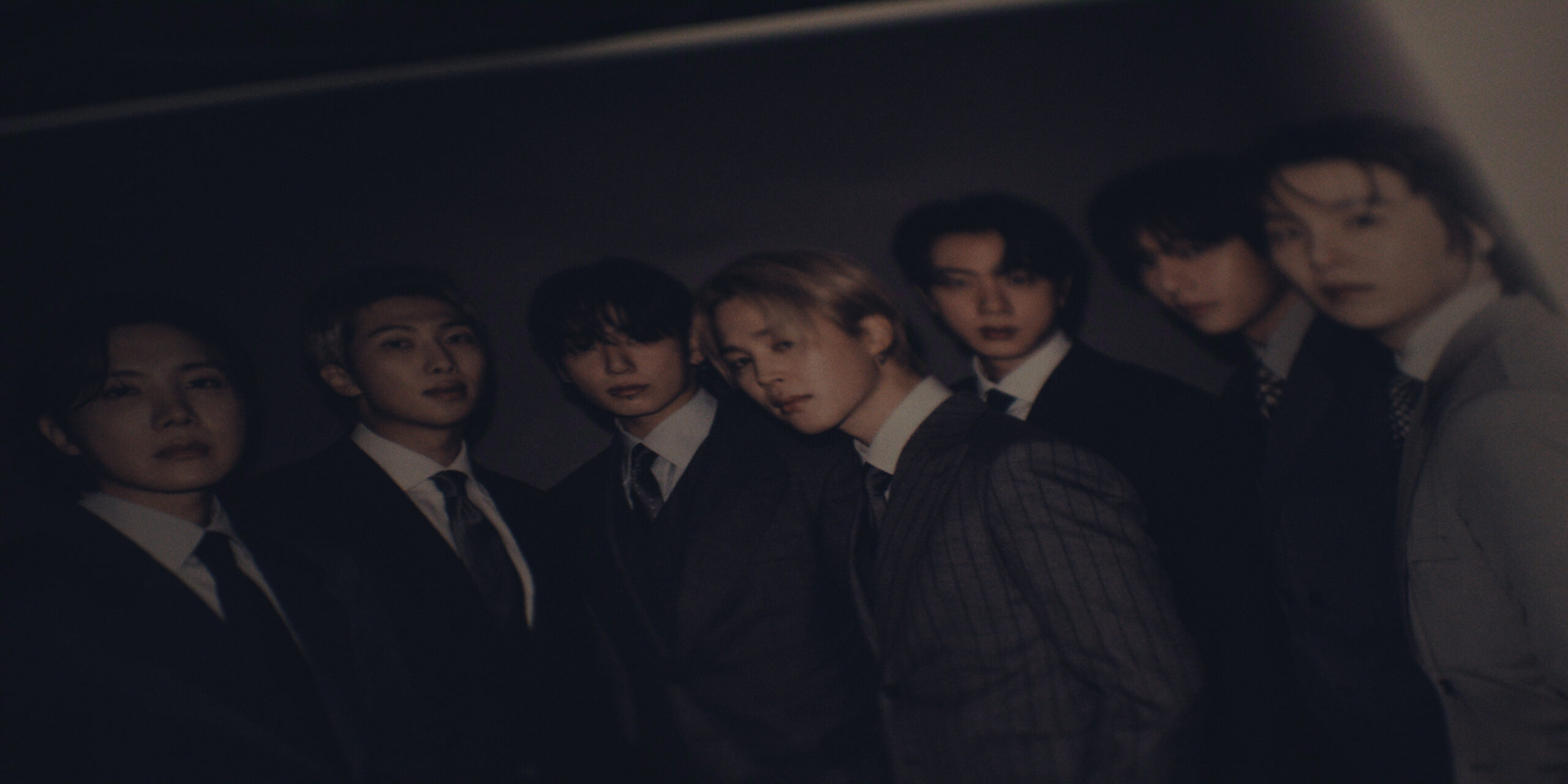
Few musical acts in the world carry the cultural weight and global anticipation of BTS. With their long-awaited reunion following mandatory military service, BTS: The Return documents not just a comeback, but a deeply emotional and historic moment for both the group and their devoted fanbase, ARMY.
For director Bao Nguyen, the journey to making the documentary began years before the cameras ever rolled.
It was at a BTS concert when the director first noticed the love between BTS and their fans, “witnessing the connection between ARMY and BTS was really beautiful and touching,” Nguyen shared. “Watching them speak to fans about their enlistment, it reminded me of The Odyssey – like BTS were Odysseus, and ARMY was Penelope, waiting for their heroes to return.”
Nguyen initially pitched the idea, but it didn’t immediately move forward. “I sort of told that to the HYBE exec, and maybe it was like a little too philosophical of a pitch to them because they’re like, ‘Uh, we’ll get back to you.’ And they never really got back.”
Years later, after the members completed their military service, the opportunity resurfaced.
“When the group started slowly coming out of military service, HYBE reached out to me again. They’re like, ‘Remember when you talked about this idea?’”
This time, the concept evolved into something even more compelling: documenting BTS as they created their new album, ARIRANG.

“I was actually really busy at that time, but I was like, I got to figure out a way to be able to tell this story,” Nguyen said. “It’s definitely one of the greatest privileges of my life and career to make this film.” Despite a packed schedule, Nguyen knew he couldn’t pass up this opportunity.
Taking on a project centered around BTS’s return came with undeniable pressure.
“I mean, for sure… they’re the biggest group in the world, and this comeback is like one of the most anticipated in music history,” Nguyen said. Rather than shy away from that responsibility, he reframed it.
“I like to try to transform what could feel like a responsibility into a privilege. I’m really privileged to be able to tell this story… I’m really grateful to HYBE and the group and ARMY in many ways for allowing me to tell the story.”
Having previously explored iconic figures like Bruce Lee and major cultural moments, Nguyen approached BTS’s story with a similar mindset – grounded in respect for both the artists and their audience.
Creating Intimacy Behind the Scenes
One of the most striking elements of BTS: The Return is its intimate, almost “fly-on-the-wall” feel. Rather than relying on traditional sit-down interviews, Nguyen opted for a more observational approach.
“We had a lot of conversations before we started filming… just get to know them as human beings and not just as participants of a documentary,” he explained.
From a technical standpoint, that meant starting with distance. “In the first few days… just shooting it on tripod with a long zoom lens where we’re not intruding… backs against the wall, just observing as much as possible.”
That restraint helped build trust over time. “I think creating that distance at first actually builds intimacy and proximity later on because there’s that trust and that sense of respect.”
Nguyen also gave each member – RM, Jin, SUGA, j-hope, Jimin, V, and Jung Kook – their own camcorders. “I gave them each a camcorder… I wanted basically for them to film their own perspective,” he said. It added a raw, personal feel, “it makes you feel like your dad or your mom is filming you on a home vacation or something.” The result is a documentary that feels less like a production and more like an invitation into BTS’s creative process.
Another key goal for Nguyen was ensuring each member’s individuality shone through. While BTS is often viewed as a unified force, BTS: The Return makes a deliberate effort to highlight their distinct personalities and perspectives.
“I think sometimes, especially new people, just see BTS and they’re just a group of seven guys instead of seven individuals,” Nguyen said. He wanted to show that there are also seven individuals with different opinions and different creative instincts. To achieve this, Nguyen asked each member the same set of questions in various settings, allowing their unique voices to naturally emerge, particularly during moments of creative debate in the studio.
Balancing each member’s schedule had to be considered as well. As seen in the documentary, Jin joined the members in Los Angeles at the end of his tour. Nguyen felt that the right way to capture the entire process was with all seven members, “I mean for me, it was really important that the film story kind of starts with Jin returning, because that’s like, you know, true OT7. Otherwise, you know six out of seven is not BTS.”
By that time, the creative process had begun, but Nguyen mentioned that Jin “wanted the band to keep on making things and not wait for him.”

The Weight of a Global Stage
One of the more surprising aspects Nguyen discovered during filming was the depth of responsibility the members feel beyond music. “Hearing their conversations about also being cultural ambassadors of Korea… that crown that they have to wear. It was very poignant,” he shared, and quotes BTS’s leader and rapper RM, “As individuals it’s too heavy, but together they can really hold it together.” That sense of unity – both as artists and as individuals – is a central theme throughout the documentary.
Ultimately, Nguyen hopes audiences come away with a deeper appreciation for the collaborative effort behind both the album and the documentary.
“I hope ARMY watches it with deep respect for what not just BTS created with this album, but what our film crew did,” he said.
The production itself mirrored the intensity of BTS’s process. “We had the same pressure… we wanted the film to come out at the same time as the album,” Nguyen explained. “We hired like every Korean-speaking editor I could find, and it was a great team.”

That shared experience fostered a strong sense of unity behind the scenes. “We became a second family in some ways, making the film… there’s so much collaboration and so much debate, and we all respect each other so much.”
In the end, Nguyen believes that spirit is what made the film possible.
“It really was all love,” he said. “And I think that’s how you can make great things – by having that sense of generosity towards each other.” With BTS: The Return, Nguyen captures more than a comeback—he documents a moment of reconnection, resilience, and artistry that resonates far beyond the stage.
BTS: The Return is now streaming on Netflix.